

Santuario Animal del Desierto
Desert Tortoise
Habitat
Protecting the Ancient Desert Tortoise
A safe haven for endangered tortoises to thrive
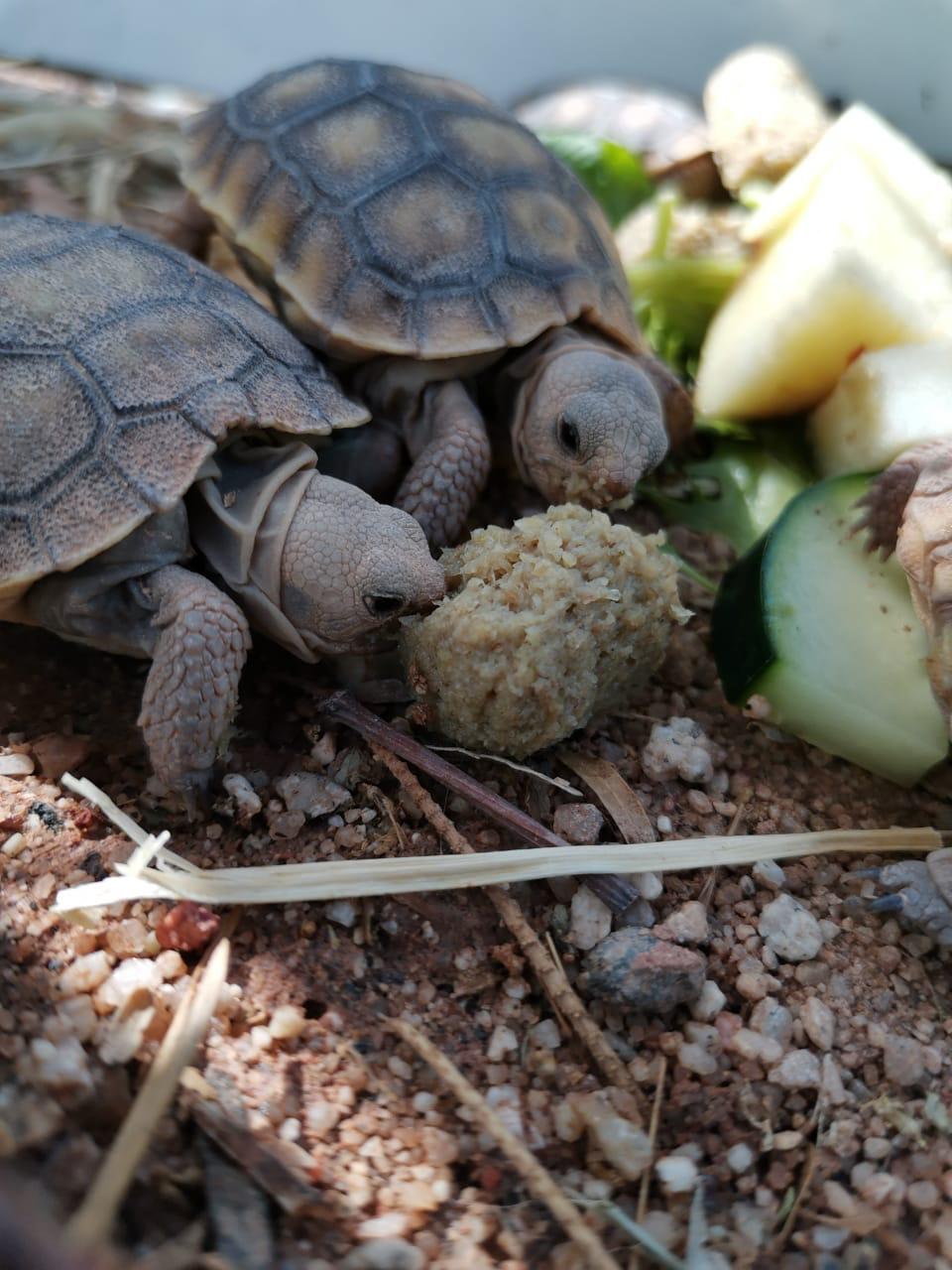
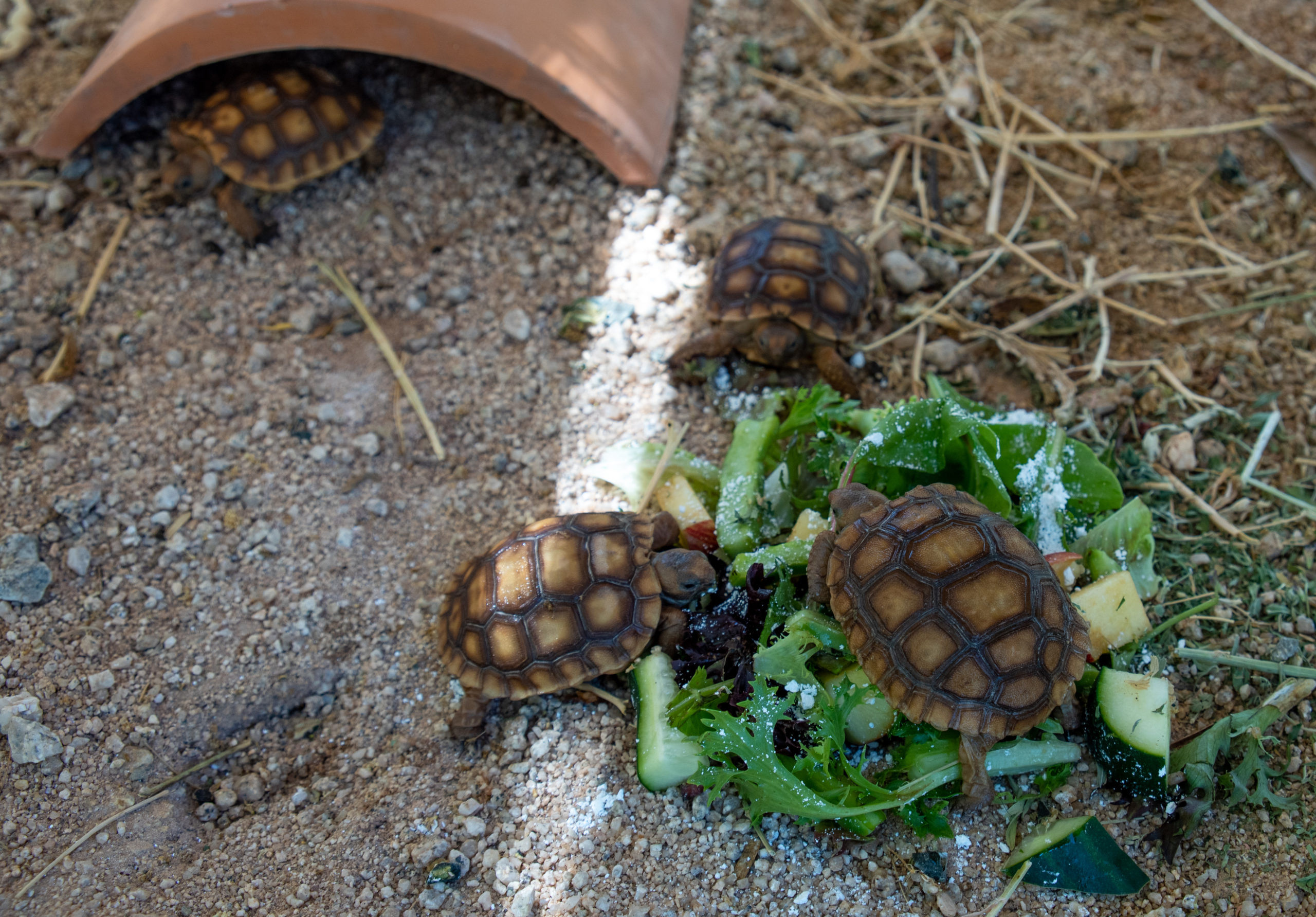
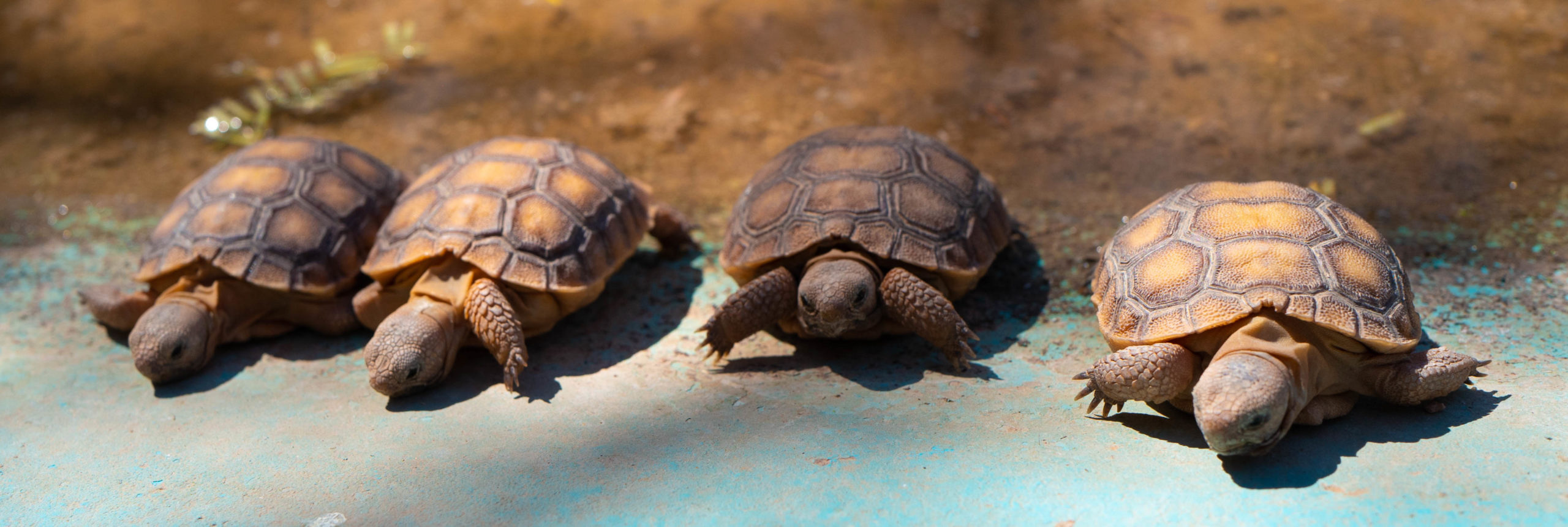
The desert tortoise is, without a doubt, the oldest resident in our sanctuary. A tortoise’s lifespan can be between 50 and 80 years.
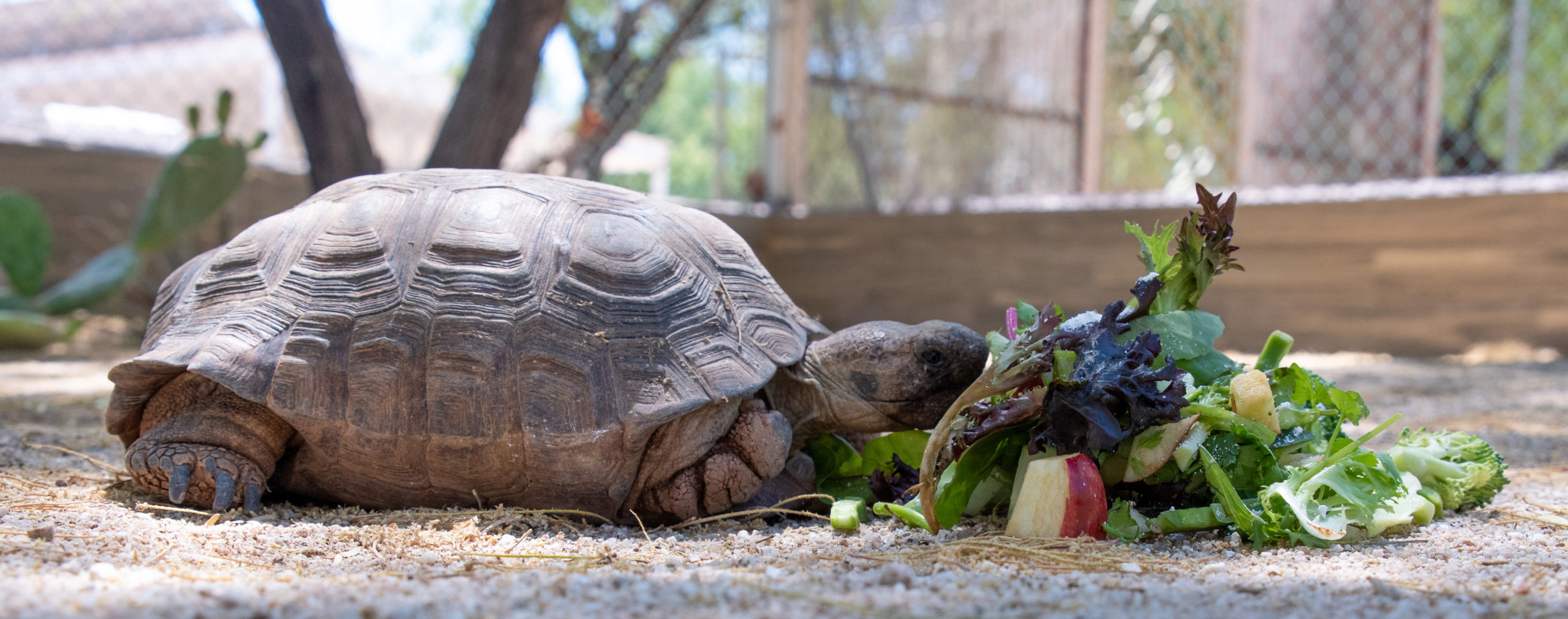
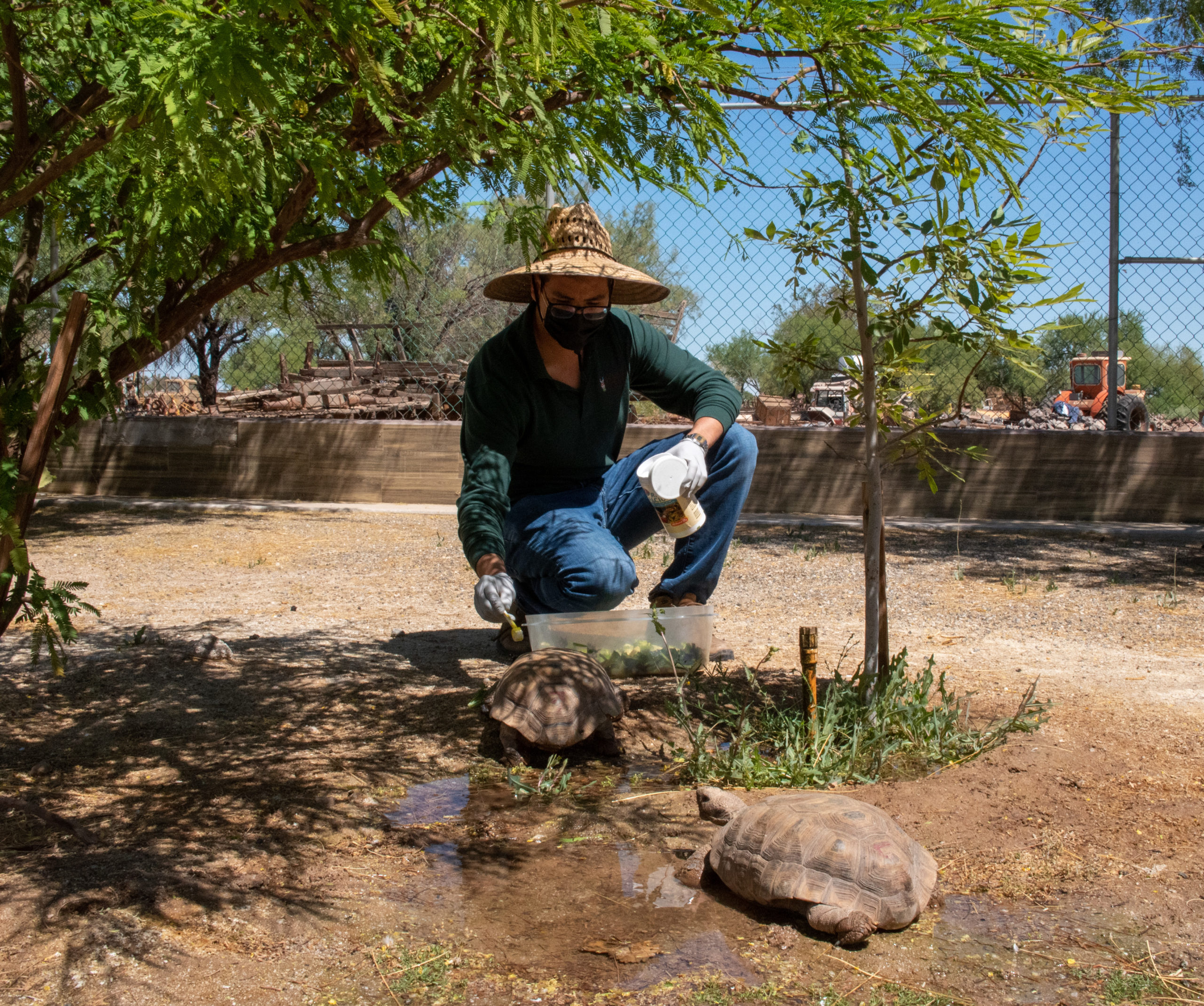
These reptiles spend their day looking for food or resting in their habitat. The desert turtle’s diet consists of grass, fruits and vegetables. At our shelter, the veterinarians supervise the quality and quantity of food needed on a daily basis to ensure animals live healthy lives.
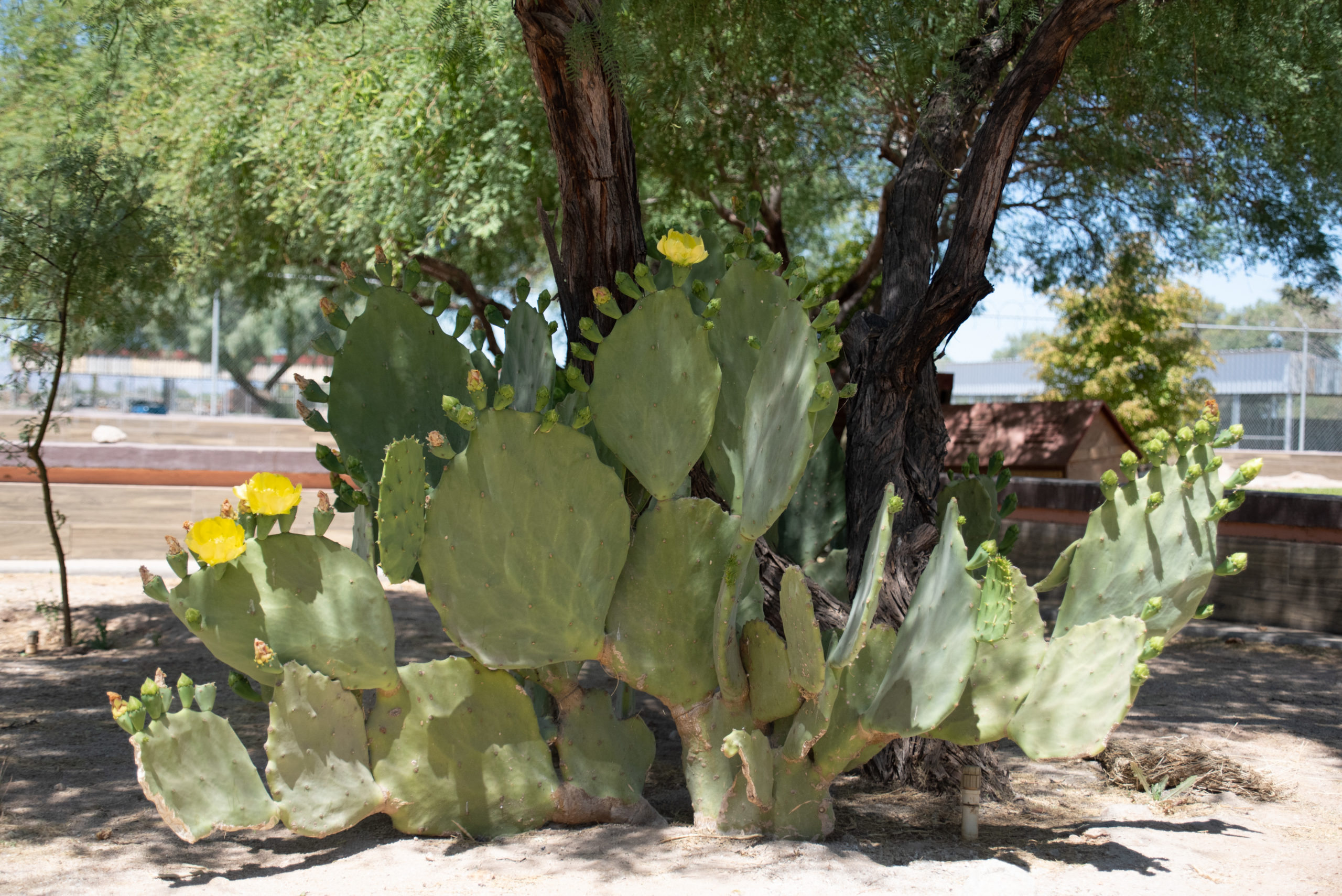
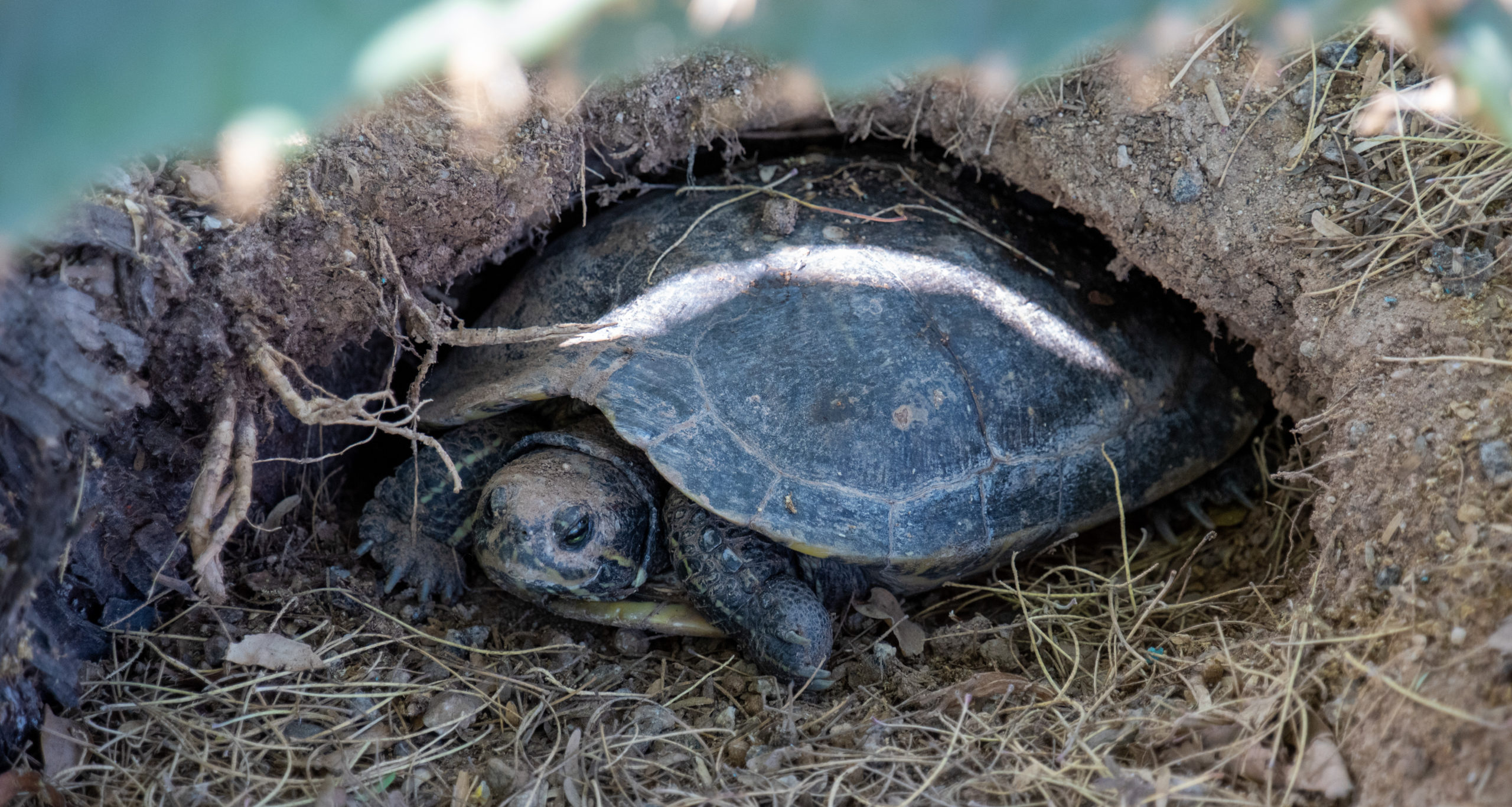
At SANAD, we have designed a special habitat for them which meets all the basic necessities of the desert turtle’s natural environment, this allows them to feel secure, comfortable and they are able to develop their natural free roaming life habits. This project’s purpose is to rehabilitate this species, which is endangered by human interference. All of our tortoise residents have been rescued from improper conditions, mostly caused by people keeping them as pets. Through our educational program,s we aim to inform younger generations about the importance of keeping these reptiles where they belong, in their habitat.




SANTUARIO ANIMAL DEL DESIERTO
Hope Begins With Rescue
At SANAD, our mission is to protect animals from abandonment, neglect, and abuse. With the dedication of our volunteers and veterinary team, we rescue cats, dogs, and other vulnerable animals and guide them through a compassionate rehabilitation process. Animal rescue is challenging: physically, emotionally, and financially. However, we remain committed to making a meaningful difference and saving lives every day.
SANTUARIO ANIMAL DEL DESIERTO
Healing, Protecting, and Preparing for New Beginnings
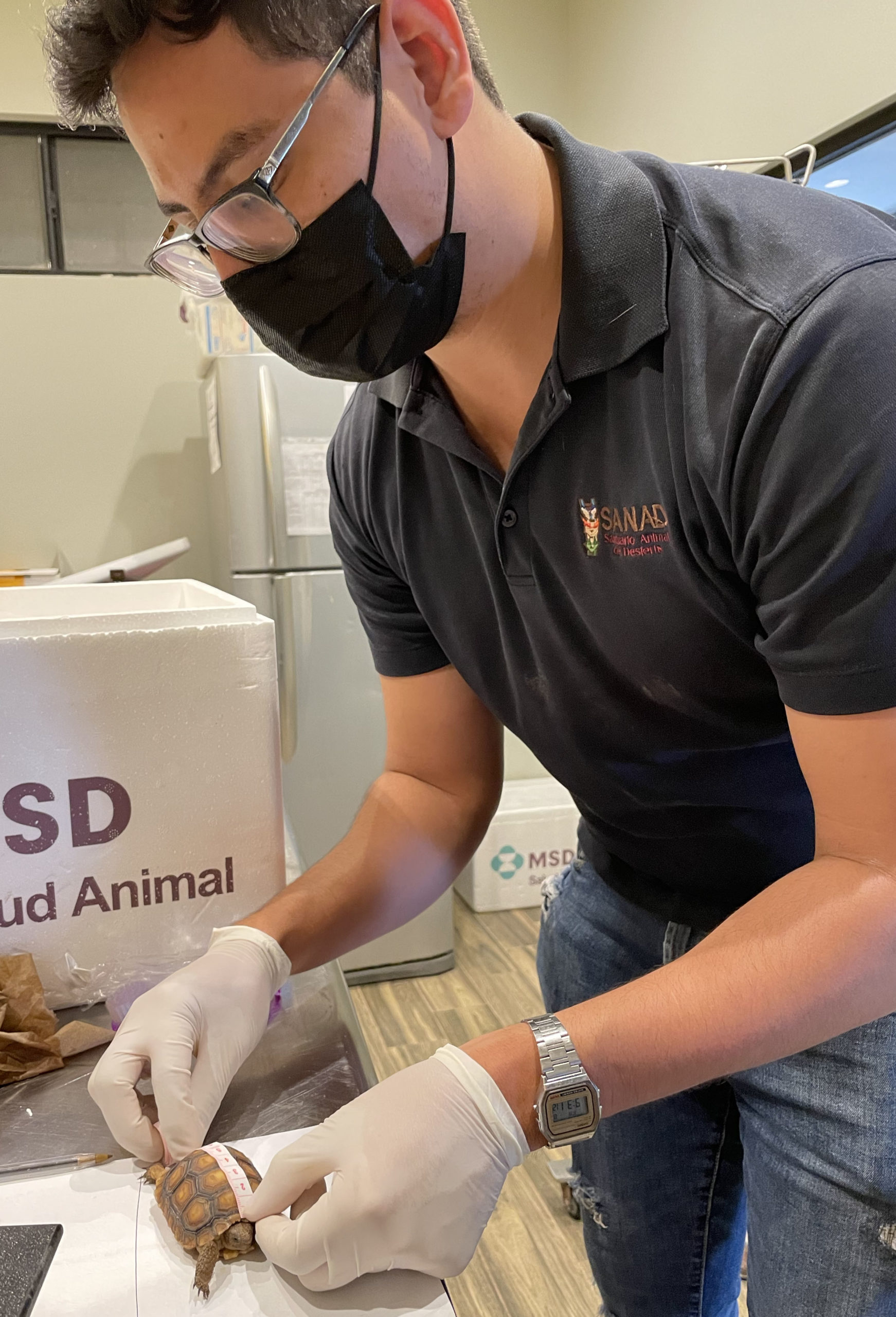
Disease control in an animal shelter presents significant challenges. At SANAD, our veterinary team follows rigorous shelter-medicine protocols because many animals arrive in poor health—malnourished, stressed, and without any vaccination history. Our veterinarians address both physical and behavioral needs, conducting thorough health evaluations to determine whether an animal is ready for adoption or will remain in our sanctuary as a permanent resident.
Before entering the adoption process, every animal receives complete medical care, including vaccinations and sterilization. With the support of our dedicated volunteers, our veterinary team continuously monitors the well-being of all animals in our care, from sanctuary residents to those in our farm areas and desert tortoise habitat.
Our goal is simple: to ensure every animal lives its healthiest, happiest life. Thanks to the teamwork of our veterinarians and volunteers, we prepare animals for loving homes while providing lifelong care to those who remain with us.
SANTUARIO ANIMAL DEL DESIERTO
Healing Hearts and Bodies
Every animal that arrives at SANAD comes with unique physical and emotional needs. Once veterinary treatment is complete, the rehabilitation process begins—an essential stage that addresses both their medical recovery and emotional well-being. Some animals require extended care due to severe trauma, whether physical or psychological, and our team works patiently to restore their confidence and health.
During rehabilitation, our veterinary specialists assess whether each cat or dog is ready for adoption or would thrive best as a permanent resident in our sanctuary. No matter the outcome, our priority remains the same: ensuring every animal enjoys a life filled with safety, comfort, and dignity.
SANTUARIO ANIMAL DEL DESIERTO
Where New Beginnings Begin
At SANAD, our ultimate goal is to find loving homes for every healthy dog and cat that enters our sanctuary. After closely monitoring each animal’s health and behavior, our veterinary team evaluates their readiness for adoption and identifies the type of person or family that would be the best match.
To help our animals find their forever homes, we partner with Petco in Mexicali, Baja California, where we host adoption events every weekend. Through this collaboration, many of our rescued animals are welcomed into caring families and given the second chance they deserve.